In architecture, the floor plan has always been an expression of culture. Dwelling is something we learn as we go, yet it comes naturally to everyone. Creating a home for another, often unknown inhabitant is an aspect of the discipline that has always fascinated me, and one that finds its clearest expression in the floor plan.
What makes a floor plan truly great? And in which existing floor plan would you want to live?
Over the past year, I have posed these questions to fellow architects. I am now publishing their selected floor plans and reflections here — weekly for the time being — until I have gathered at least a hundred contributions to be published in book form.
House in Oporto
PT Oporto Rue Morgado Mateus 123
109 m2
When I think of the origins of our great interest in plan making, I recall visiting the home of some friends, Jorge and Teresa, in Oporto back in 1996.
From a first-floor landing, one enters a hall in the shape of an offset hexagon. Rooms led off this space and their glazed doors are so positioned as to allow, when left casually open, views across the entire apartment.
The bathroom, bedroom and kitchen have doors at both ends, which means that you can walk through these rooms and join a gallery. With single-glazed, outward opening window casements, this space links the apartment with the central light well of the apartment building.
In the gallery washing may be hung up to dry and, on winter nights, with the windows closed, the space acts as an insulating buffer zone to the quiet sleeping spaces beyond.
The central hall is big enough for a table to be placed at the centre, or for the children to play and make things on the floor.
It has always interested me the way a plan might originate from the centre and spin outwards linking rooms and spaces – the ‘more than 4 sides’ aspect of a room allows for a rich interior landscape.
Stephen Bates
Miremont le Crêt
Marc Saugey
CH Genéve 1959
65 m2
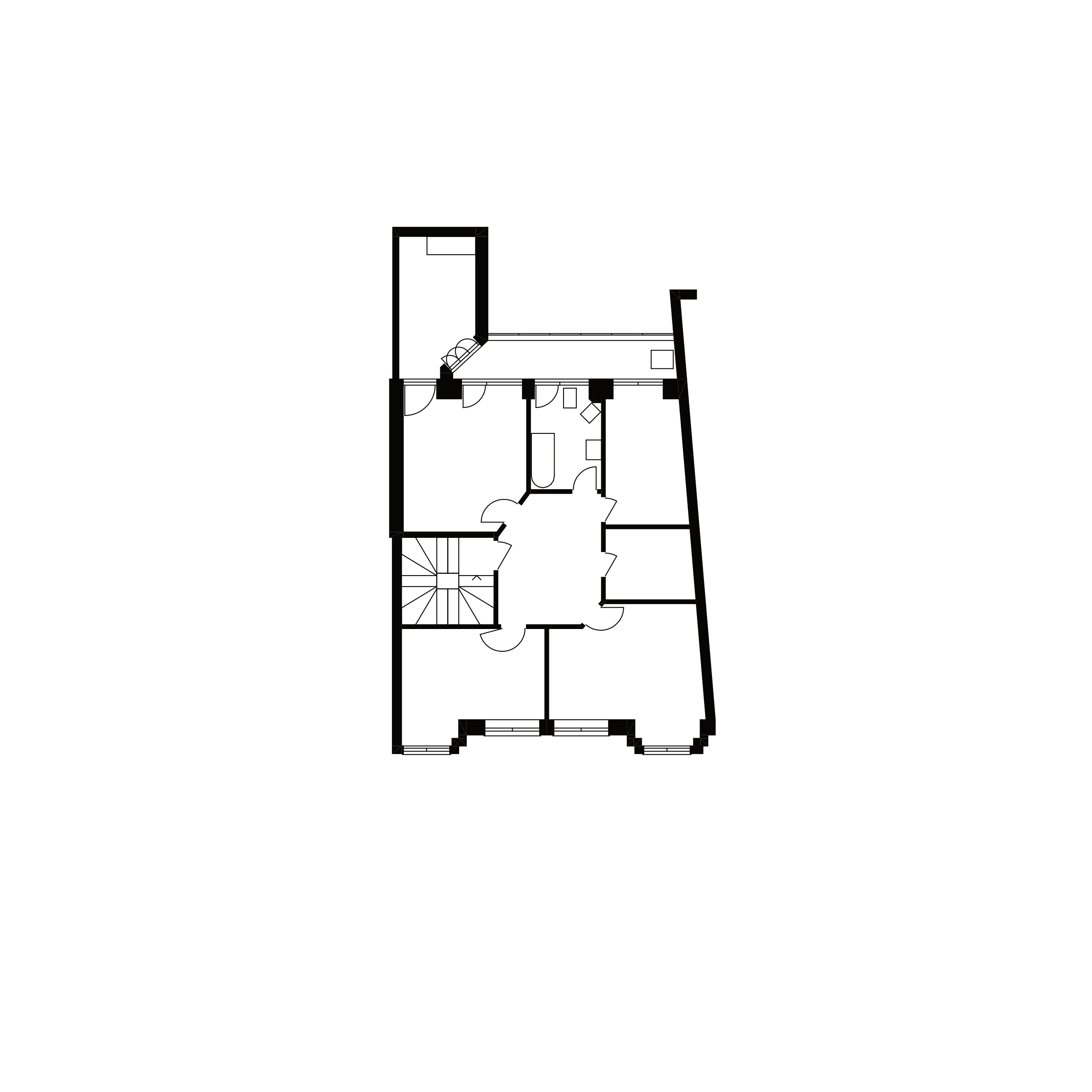
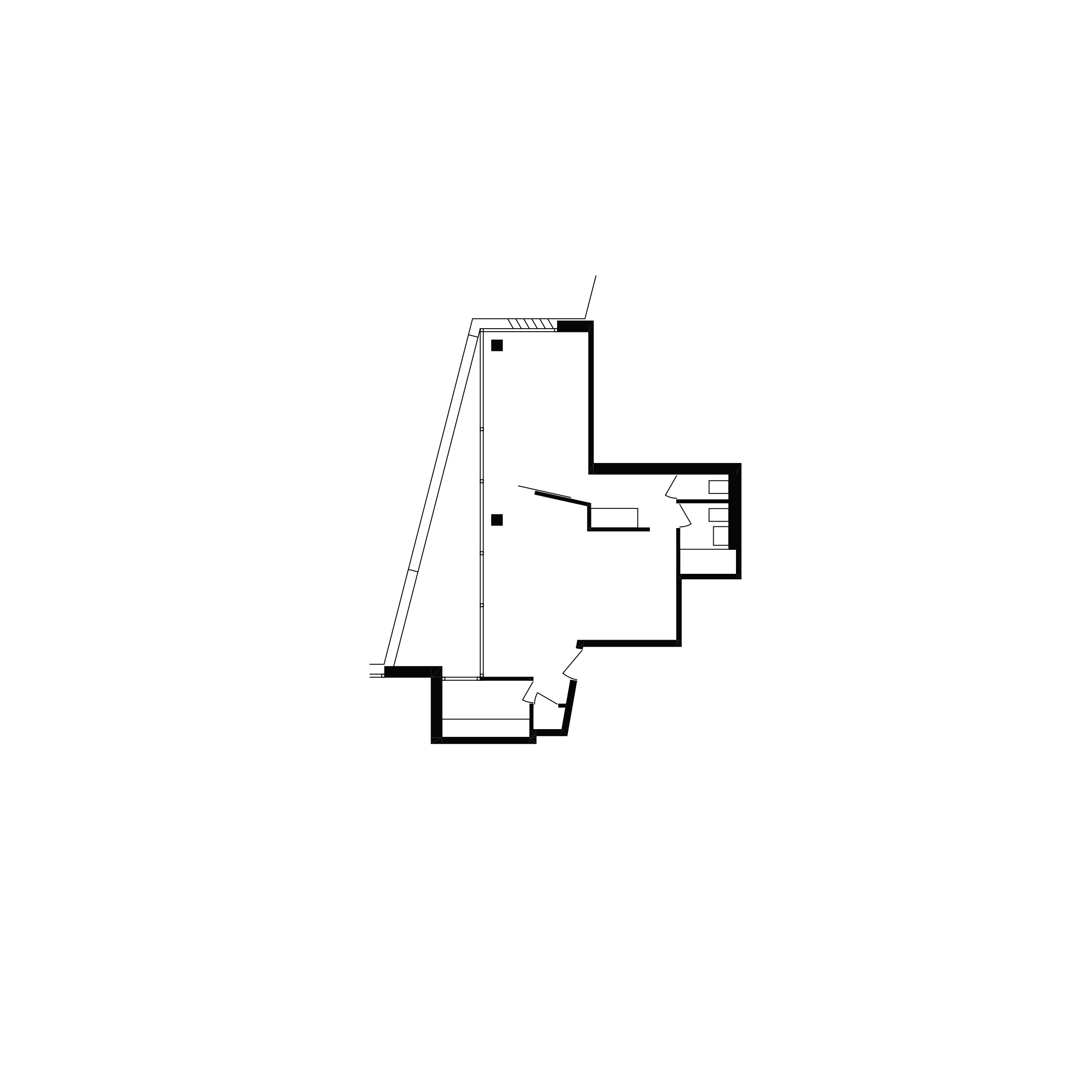
Wie ein Sägezahnblatt rattert das Immeuble Miremont-le-Crêt der Strassenflucht entlang. Gebaut als Stützen-Platten-Konstruktion aus Eisenbeton, Faserzement, Aluminium, Stahl und Drahtglas ist es eine Ode an Leichtigkeit, Transparenz und die Innovationslust der Nachkriegszeit. Gewiss keine Wohnzeile für das Existenzminimum, so ist das grossbürgerliche Haus doch typisch modernistisch, sprich nutzungsoptimiert und –determiniert. Fast all das muss man im Angesicht der Klimakrise hinterfragen.
Doch welche Raffinesse im Grundriss: Das zur Fassadenflucht um 30 oder 60 Grad verdrehte Raumraster schafft verschiedene Blickrichtungen und bringt Licht in den tiefen Baukörper. Jede der grundsätzlich einseitig orientierten Wohnungen gewinnt dadurch an Reichtum und umschlingt eine dreieckige Loggia. Die Qualität der 2.5-Zimmer-Wohnung ist unerreicht. Kleiderschrank und Bad schmiegen sich in die Gebäudetiefe. Die Küche wickelt sich um den Balkon. Vor dem Schlafzimmer ist dieser schmaler, vor dem Wohnzimmer mit ausgestülpter Sofaecke breiter. Beide liegen längs zur Fassade, was beinahe unverschämt grosszügig ist.
Palle Petersen
Cottage La Trobe
Manning London
AU Jolimont Melbourne 1839
104 m2
This house is timber, built by Manning of London. Crafted there and sent to the colonies. This one arrived in Melbourne and was raised in 1839.
Panels arrived, each measuring 1.2 meters in width, fashioned like an old door, with rails, stiles, and insets. They were fitted to square posts, rebated to receive them. The assembly formed a structural order that is subtle but persistent. The doors, nearly identical to the panels, blend seamlessly with the walls, lending each room a sense of independence. And in a certain way, the feeling of being surrounded by a facade, as if outside on the street.
Each room has a distinct size and proportion. The large room is a thick rectangle while another smaller room is connected by a hall that cuts through the house, broad enough for a chair. There are no doors to the small service rooms they open onto the hall like alleys spilling onto a grand street.
The kitchen and bathroom are in separate structures. Without them, the plan has a quiet simplicity, where attention can be placed on the relationship of room to room and imagining how I might live there.
Andrew Power
Haus Bergstrasse
Flora Steiger-Crawford & Rudolf Steiger
CH Zürich 1959
175 m2
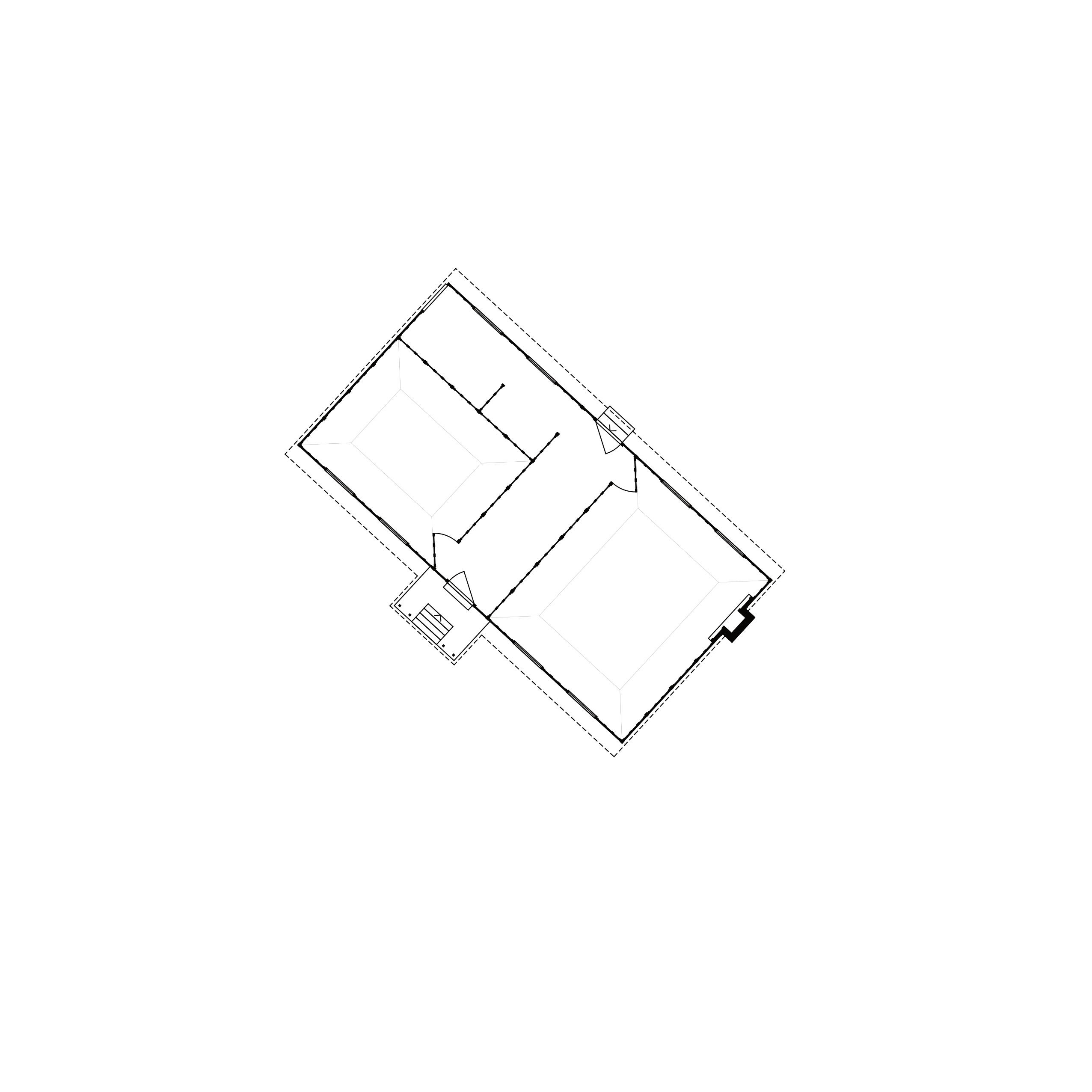
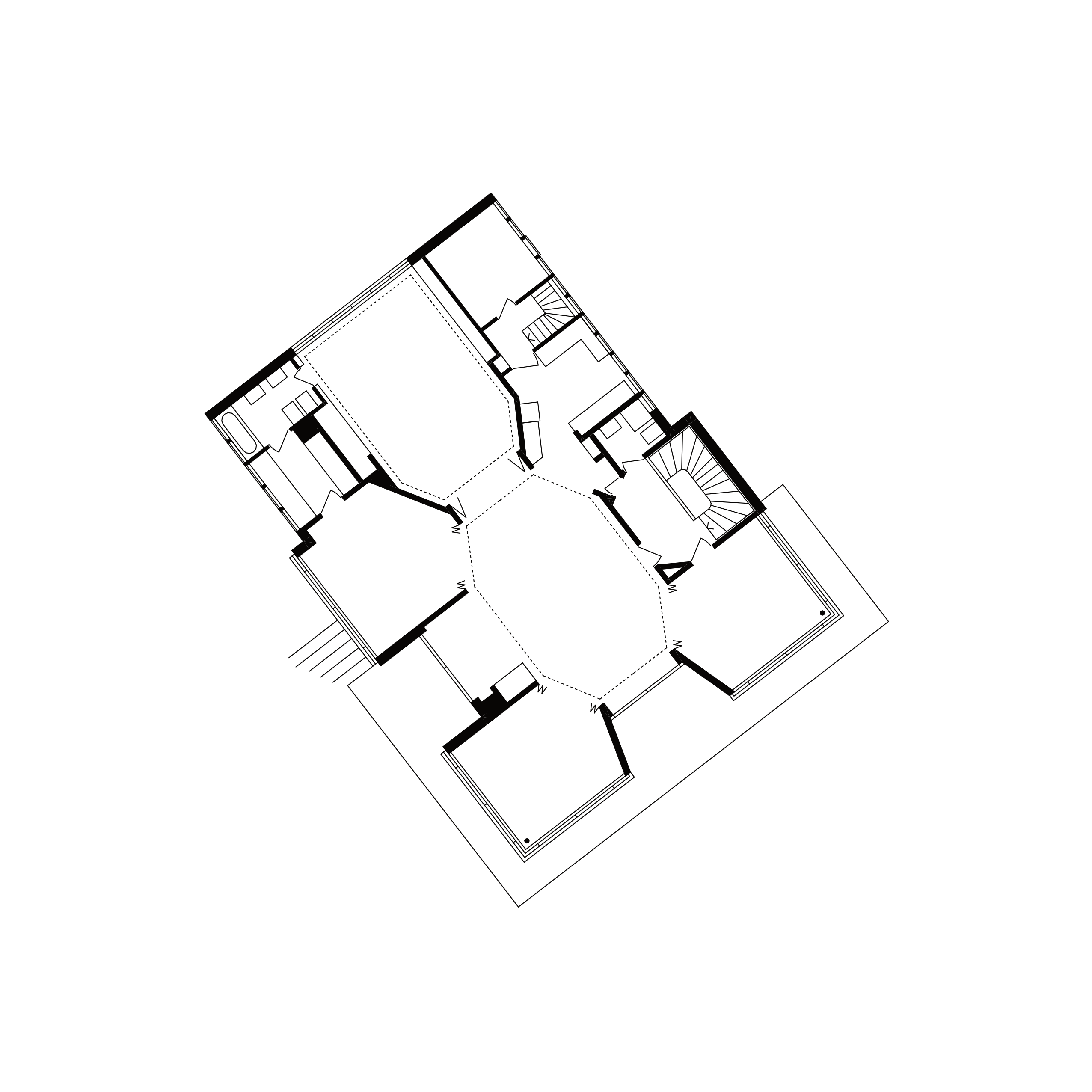
I know many beautiful floor plans, but there are only a few that leave a lasting impression even after visiting them. The layout of the distinctive Haus Steiger-Crawford did exactly that. This Swiss-modernist house from the 1950s was the personal home of Rudolf Steiger and Flora Steiger-Crawford. Together, they designed a building featuring two elevated apartments stacked on top of each other, characterized by a simple, centrally organized layout.
When I visited the house a few years ago, the fact that Flora was the first female architect to graduate from ETH Zurich no longer felt like a minor detail. Complementing the methodical modernist idiom, the floor plan reveals deeply considered ideas about how life would actually be lived here.
From the shared staircase, you enter a central, octagonal living area, with all other rooms arranged around it without the need for corridors. The bathroom, kitchen, and storage space are discreetly tucked into the flanks, while the true living spaces are generously proportioned, capitalising on magnificent views through large windows.
The floor plan radiates reciprocity. In this house, you live together—with one another, and with the architecture. Thanks to the elevated position of the home, the large facade openings, and a surrounding, cantilevered balcony, residents can also connect generously with the surrounding Doldertal.
Ninke Happel
Rue Raynouard
Auguste Perret
FR Paris 1929
155 m2
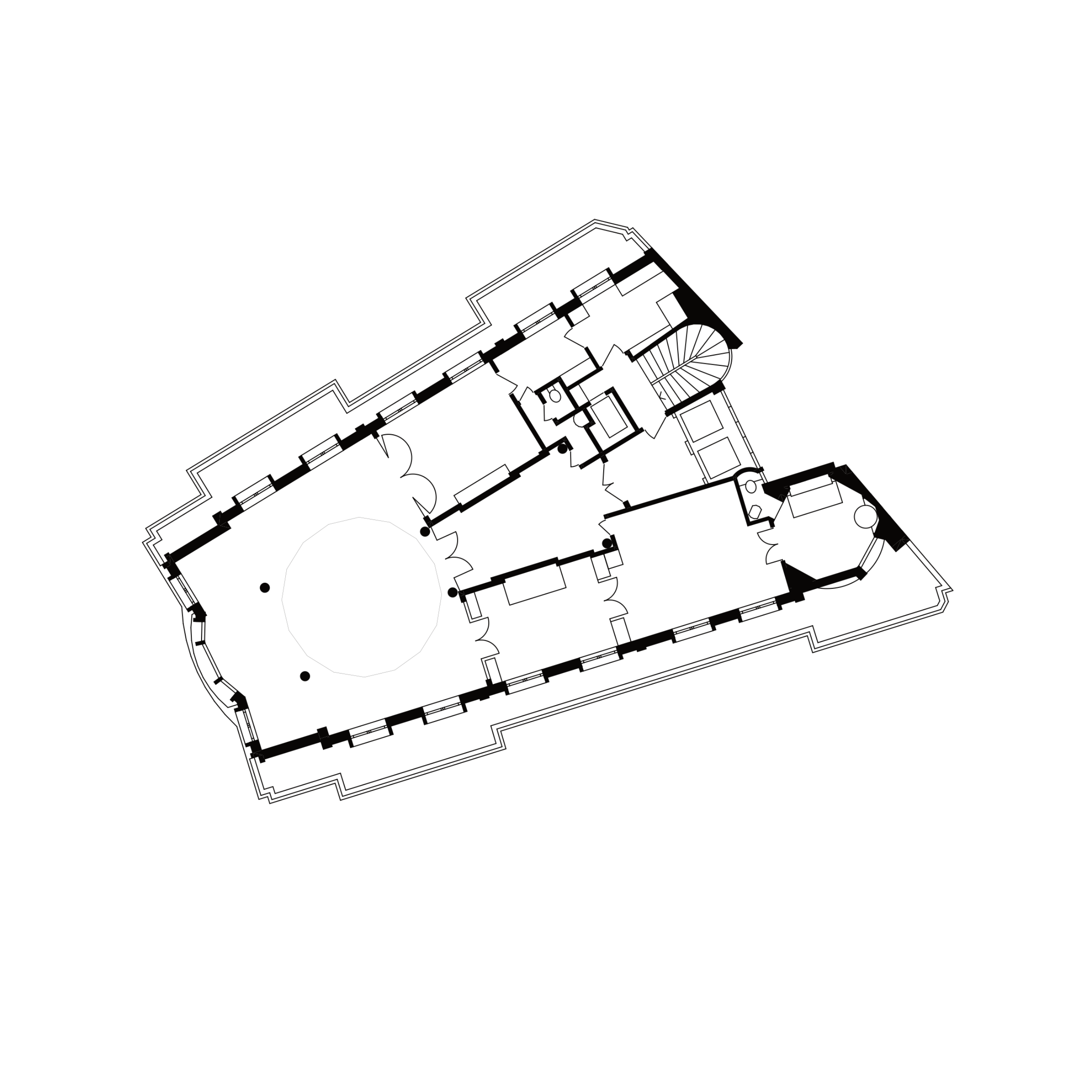
Most appealing in this apartment is the idea of living amidst the city, yet simultaneously being elevated above. This narrow plot acts as shim, creating a characteristic proportioned mass which is triangular, high and slender. Besides, providing a constant connection between the interior to the exterior.
And, this particular apartment on top, which has the sun fully turning around, illuminates all rooms throughout the day. One is able to enjoy every subtle change, in the rays of light entering. Such as a cloud which passes by. Both lighter and darker days will be influencing the atmosphere of habitation. Almost as if living outside, so close to the elements.
Simultaneously, the wooden paneling provides a domestic, warm and protective character. With an ensuite-ordering of the apartment, without indicating a corridor, a long enfilade is connecting all rooms together. With a beautiful transversal room, connecting to both sides of the building - on the sharpest edge. Emphasized by a means of large, light circular ceiling.
I can see myself walking in circles through the apartment, up there. Perhaps I was not even surprised, when I found out later that the building was designed by Auguste Perret himself, and that this was his own house.
Job Floris
Schützenmattstrasse
Herzog & De Meuron
CH Basel 1992
110 m2
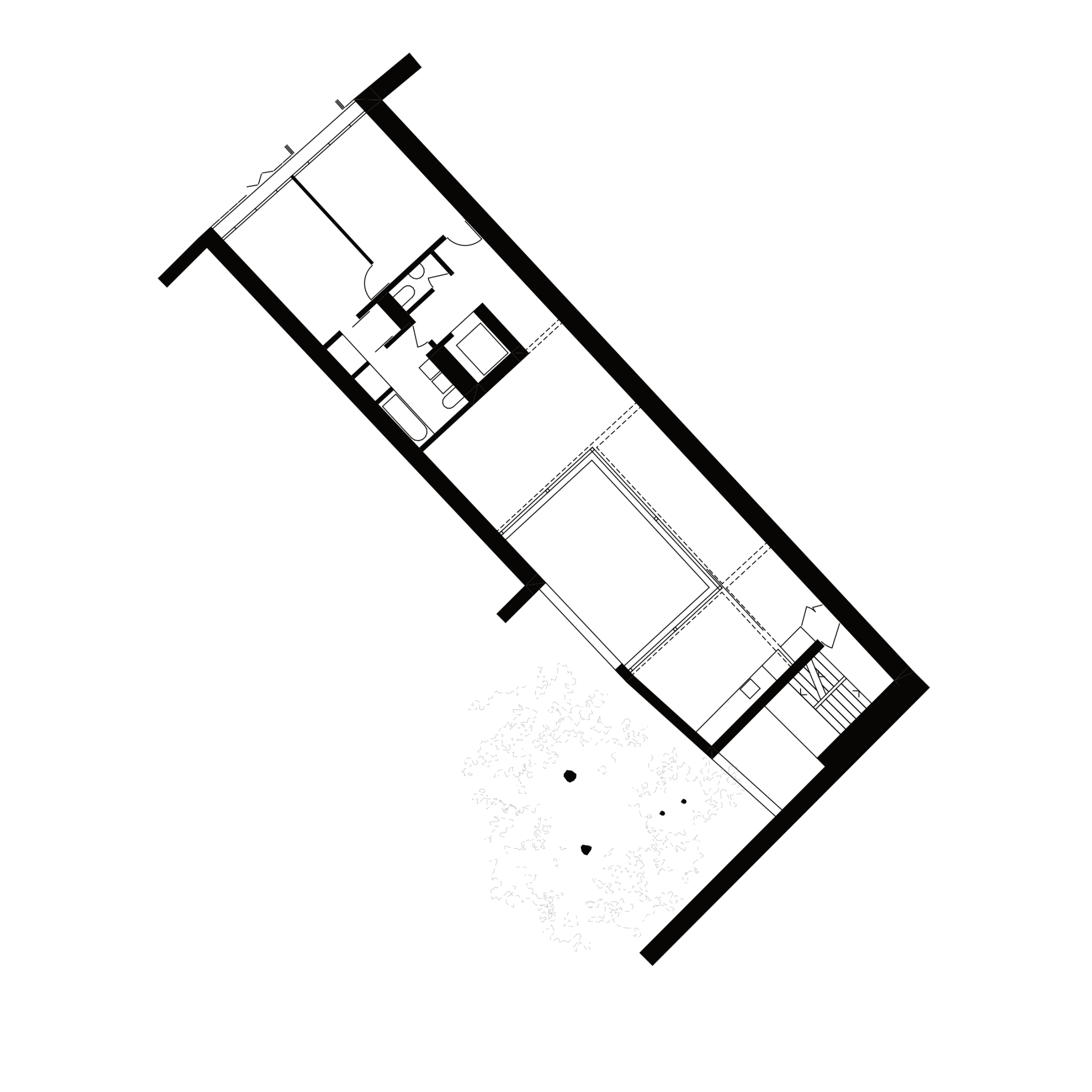
The city, the street, the water, a tree—this house is shaped as much by its surroundings as by its inhabitants. On the ground floor, the façade opens in three directions: a recessed red door down a narrow corridor to the left; a storefront anchoring the right; and in the middle, a subtle threshold that draws you in. A black door gives way to a compact entry. A white door opens into a quiet interior. The first step on a wooden floor. Movement is intuitive: two rooms open to the façade, a walk-in closet buffers the bathroom, and a small toilette tucks discreetly beside the entry. Operating as an independent apartment—a private world within.
Then the scale shifts again. A wide, corridor-like door opens onto light and volume: the communal space. Three interconnected rooms orbit a central void—flexible, open, and defined by your living. Full-height sliding windows, wooden roller shutters, and slender French balconies form a daily life, intuitively guiding openness, privacy, and climate.
At the center, the void remembers the former crown of a tree—now reimagined as the social space of the building. In winter, the lights connect you; in summer, windows and doors open to the shared courtyard, dissolving boundaries between interior and exterior, self and neighbor, courtyard and city.
The house itself is in motion. Around the courtyard, it unfolds in two directions—never static, shifting as it rises. You pass the courtyard windows further to the back, a large sliding wall reveals the kitchen and invites a large kitchen table. Behind a big cupboard lies a hidden door—another threshold—this time opening to a red brick wall outside. A stair passes by your neighbors doors, offering pauses, balconies, and connections between the inhabitants' lives.
Descending, the red door guides you back through the corridor, returning you to the city, the street. You haven’t truly left—or perhaps you never stopped arriving.
Chrissie Muhr
House in Lidingö
Jakob Gate
SWE Stockholm 1909
226 m2
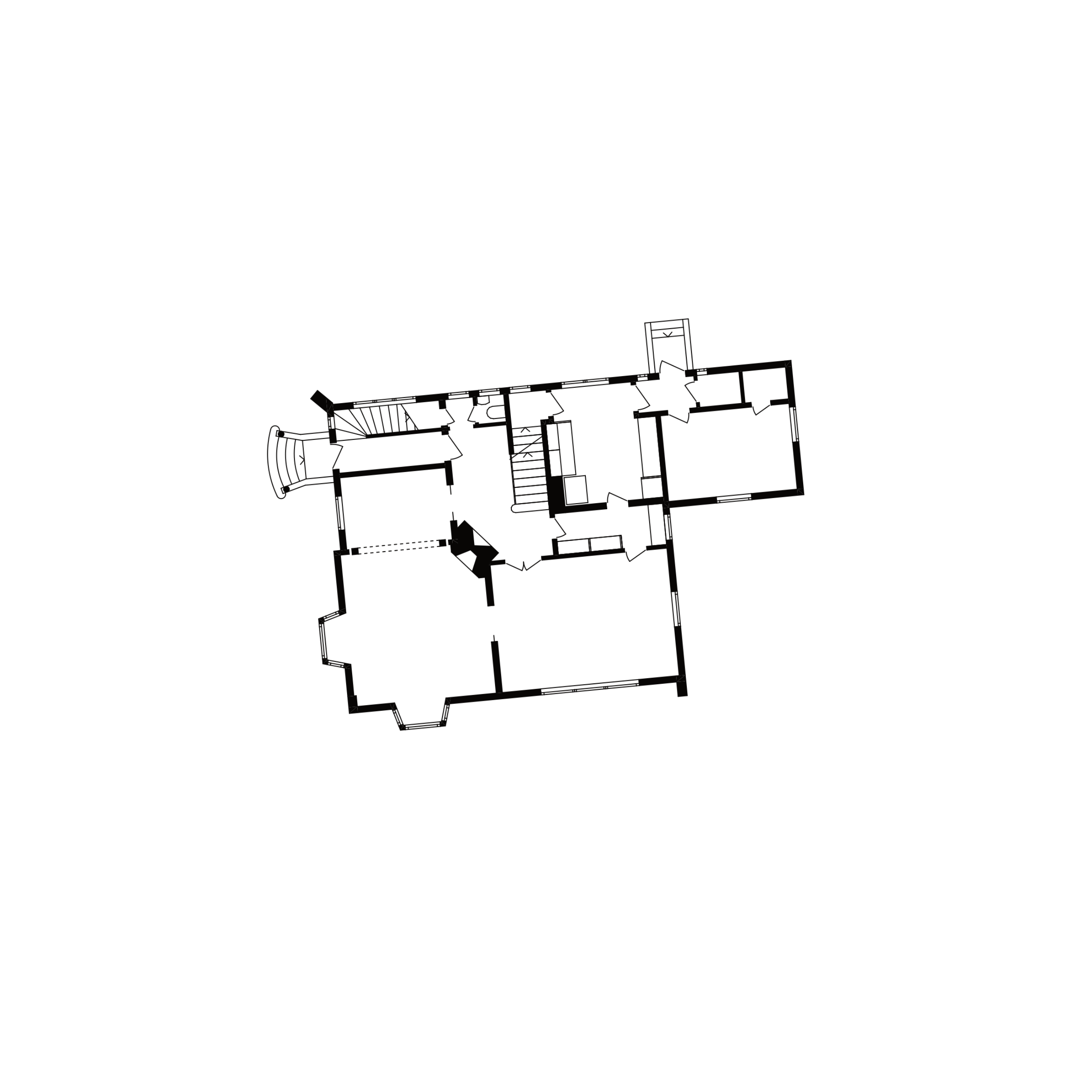
When I grew up, my best friend's father was a famous Swedish artist. The family lived in a large Arts and Crafts villa on Lidingö, just outside Stockholm. When I think of a good house to live in, this labyrinth-like home comes to mind.
On the entrance level, there were three connected rooms that my friend's artist father used as his studio. The large, square-shaped corner room had two bay windows. Next to it was a rectangular additional studio space, with a large south-facing window.
In the middle of the house, without much daylight, was a hall with a generous staircase leading up. In the corner stood a fireplace. Directly beside the entrance door was a narrow, steep staircase leading up two floors to the attic. This stairway was added during the Second World War when the attic was rented out as a separate apartment.
The kitchen was at the back of the house, facing north. It had a separate entrance, a small dining room, and storage space next to it.
This old house had a very special mix of work and living spaces. Some areas were surprisingly small and narrow, while others were open and generous.
Mikael Bergquist
Casa di Vidro
Lina Bo Bardi
BRA São Paulo 1951
410 m2
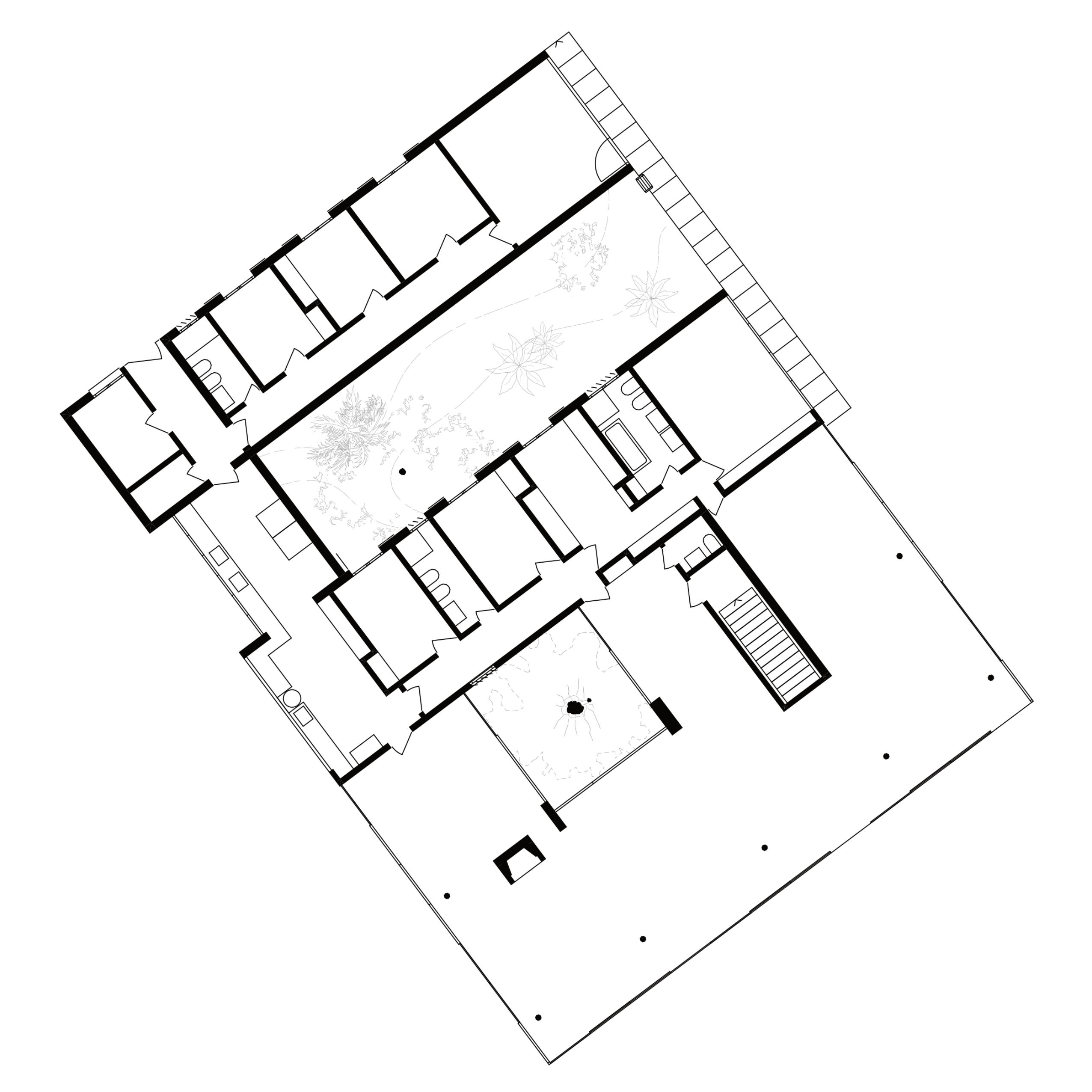
This space is a landscape, no walls, but corners, columns, niches and furniture loosely scattered. With no fixed borders to dictate placement, objects seem to define their own positions, each becoming a character in the story.
Suspended at the level of the tree crowns, the space seems to hover above the sloping terrain. Only the thinnest grid of window frames separate it from the outside, reviving the child-like dream of living in a tree house.
A center patio encloses a tree, which inhabits the landscape’s core. When inhabiting the landscape, one always walks past it. Will it one day grow beyond the house, leaving only its stem behind?
Looking past the patio, into the opposite room, one observes its own space, in a disconnected way, as if it’s the neighbouring space.
This is where an urban moment unfolds in miniature.
Géraldine Recker
Melnikov House
Konstantin Melnikov
RU Moscow 1929
208 m2
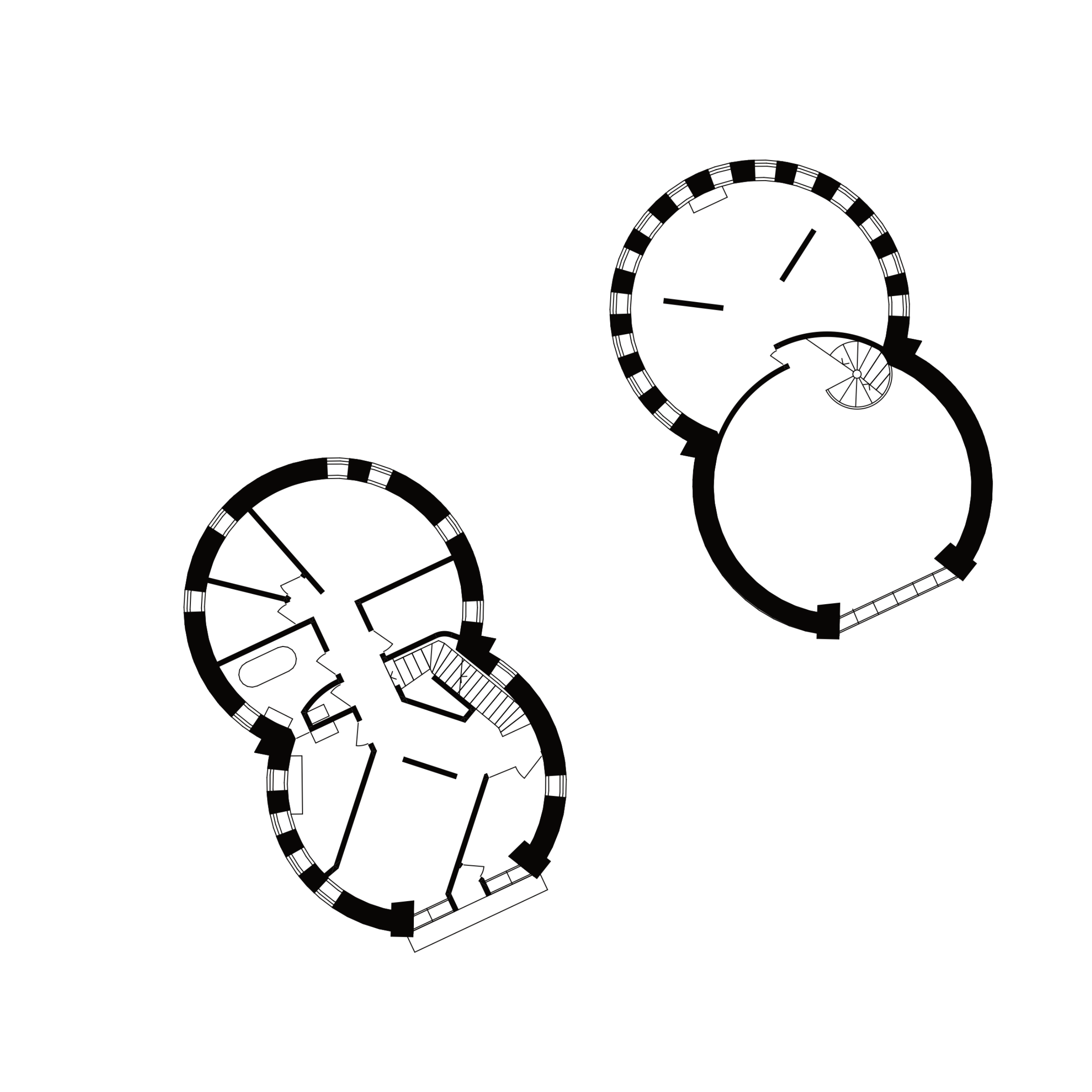
The intersecting cylinders that form the silhouette of an 8-shaped floor plan over three levels display a bold conceptual approach. Its circular outline, defined by thick brick walls and hexagonal windows, has a pure geometric logic, while the interior offers surprisingly exciting spatial quality.
I like the flow of the design, which emphasises the spatial experience of the curvature as given formalism, without becoming too rational. On the ground floor, carefully placed partitions create a functional layout, dividing the space into a hallway, living room, kitchen and bathroom. The upper floor, a place dedicated to art and contemplation, is more minimalist, with just two symmetrically placed walls separating the private areas: the bedroom and a studio with high ceilings that invite an overflow of natural light. In the bedroom, three sculptural pedestals serve as beds, embodying Melnikov’s unique artistic sensibility.
For me, this house strikes a balance between personal artistic expression and functionality. It embodies clarity with interior fluidity, a house with character that feels eccentric yet thoughtful.
Marcel Moonen
Tuscolano
Adalberto Libera
ITA Rome 1954
79 m2
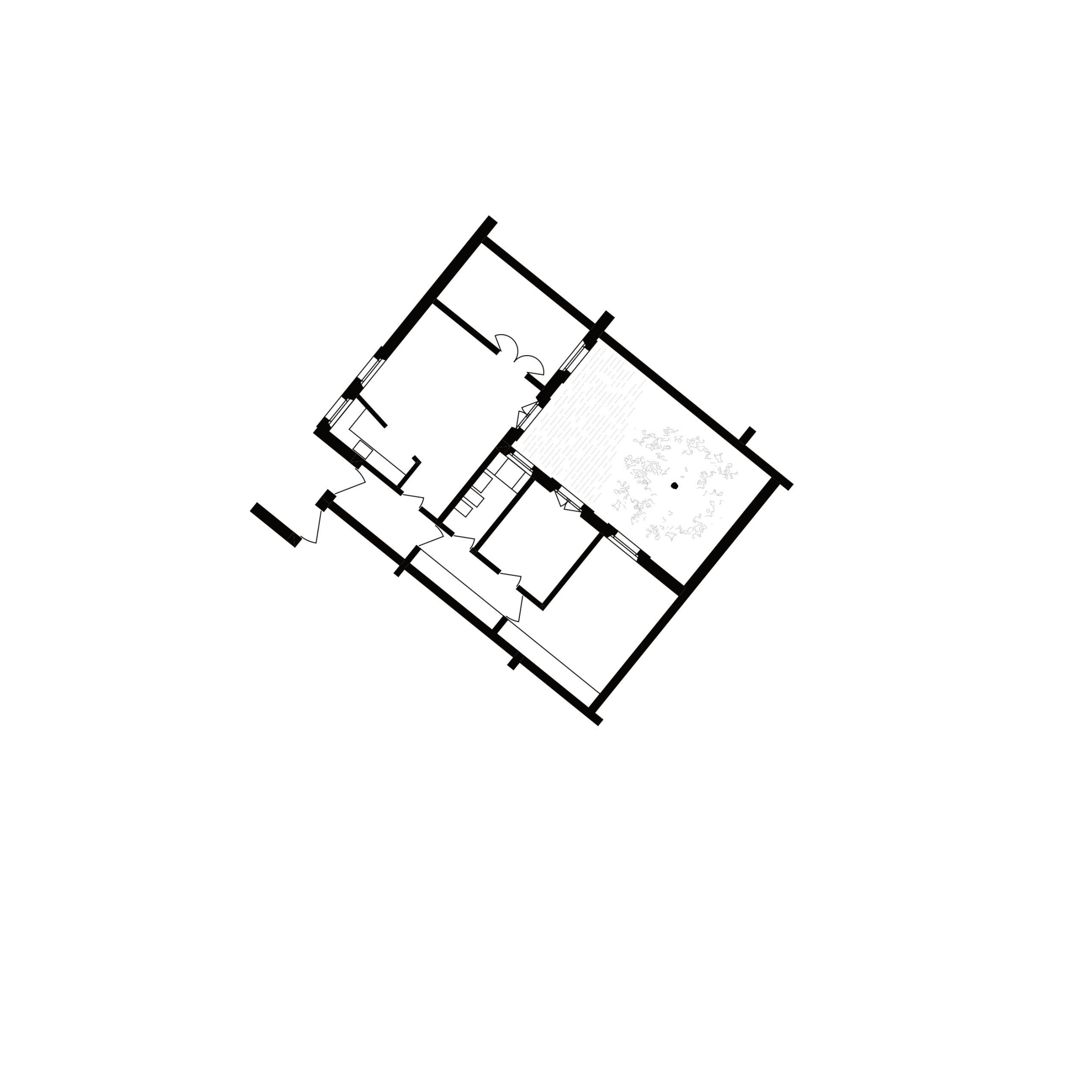
Rome is a city I am not so fond of, basically for the audacity of its urban gestures. So it could be that the contrast within the context which this community offers is part of why I am so attracted to it. These houses offer the zero degree which I require to live, now having a Japanese partner for many years – a situation with a high level of privacy from the outside world. The arrangement of masses here however still guarantees unobstructed views to trees in the garden and then to the sky beyond. A courtyard typology such as this essentially throws the textile curtains out into the landscape, transforming them into walls of bricks (intelligent here in that they also often serve to support the roof of your neighbour's house). The effect of this extended space between layers – on human lives lived – is immense.
Each cluster of four units is not orthodox in plan, in that there is an exception in the arrangement of the courts – due to the orientation of the sun. Without making a fuss, it acknowledges that humans are not the central point of reference within the cosmos. Moreover, that one courtyard that shifts over creates another social type – it is slightly more open to passersby than the other three units, thereby providing appropriate housing opportunities for a gradient of character types within one organic system. Always a good start for healthy urbanism.
Logan Amont
Apartement Temoin
Auguste Perret
FRA Le Havre 1947
100 m2
There is much to love about the Témoin apartment in Le Havre.
There is the care with which built-in closets have been placed, subtly defining the rooms and their transitions. Or the central living space, oriented towards two floor-to-ceiling French windows, offering a rare moment of symmetry in the dynamic floor plan. I also love the ability to take multiple routes through the house. It makes the apartment feel much larger than it actually is.
And notice how the boundaries between spaces are often diffuse, provoking the creation of new connections. For example, the kitchen and study can be linked by opening two folding doors, creating a mini-enfilade along the facade — almost a space in itself. When the two doors of the central (bed)room are opened, the living space flows into the light of the opposite facade, passing through what previously seemed like a simple corridor.
But what I love most is that masterfully placed column that greets you upon entry.
With its octagonal shape and surfaces of tactile bush-hammered concrete, it powerfully suggests — aided by a suspended ceiling — what is not actually there: the corner of the central living space, a corridor leading toward the bathroom, and a subtle delineation of the entrance hall. No walls could have done this more beautifully.
Yet a glance at the structure of the building as a whole reveals that appearances are deceiving. The column wasn't cleverly integrated to fit the design — it simply follows the 6.24-meter grid that structures all of Le Havre's post-war reconstruction.
Perret has so carefully folded the rich floor plan around that single column that it feels like it has always belonged there — as the obvious centrepiece of the home.
Martijn van Sluijters
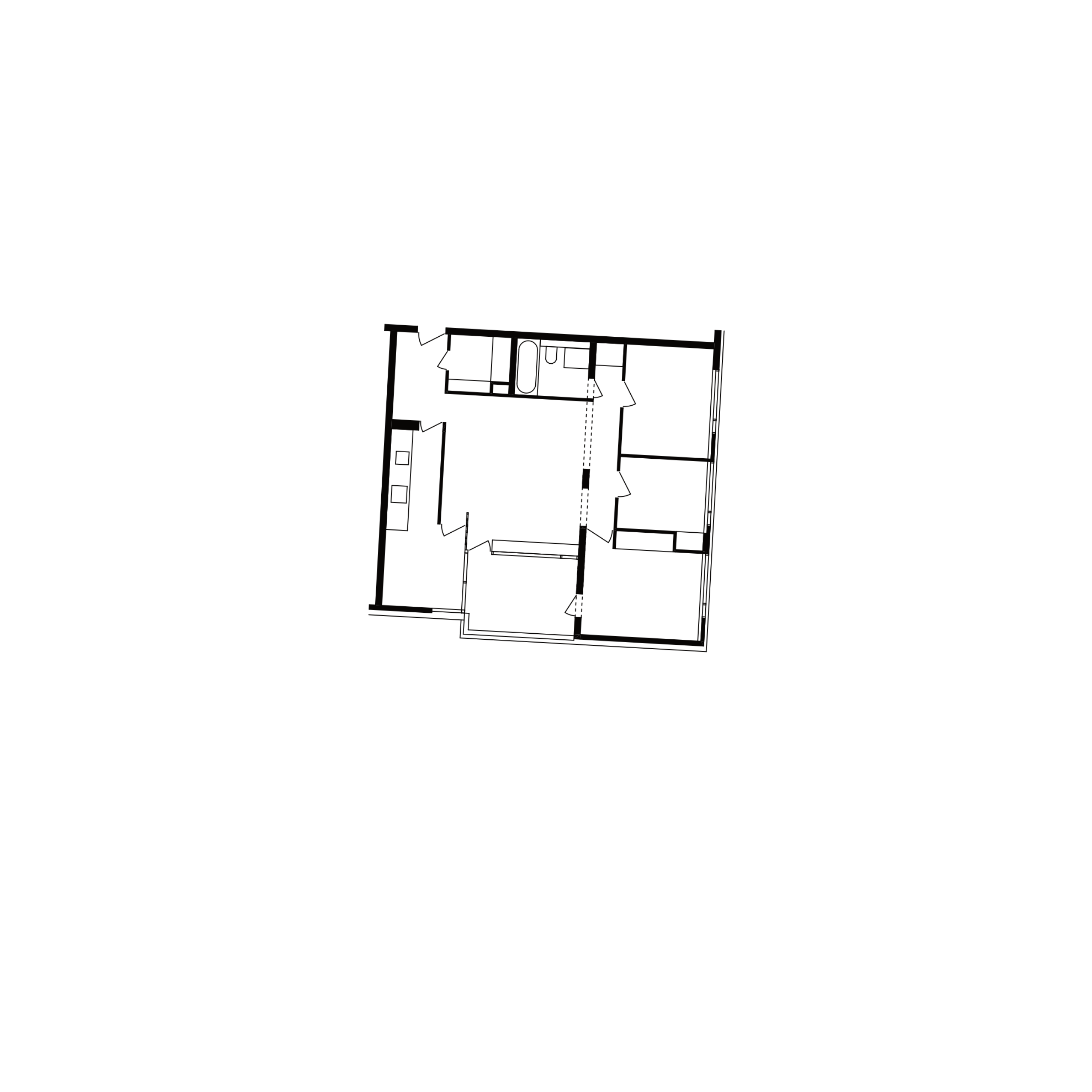
Hansaviertel
Alvar Aalto
GER Berlin 1957
86 m2
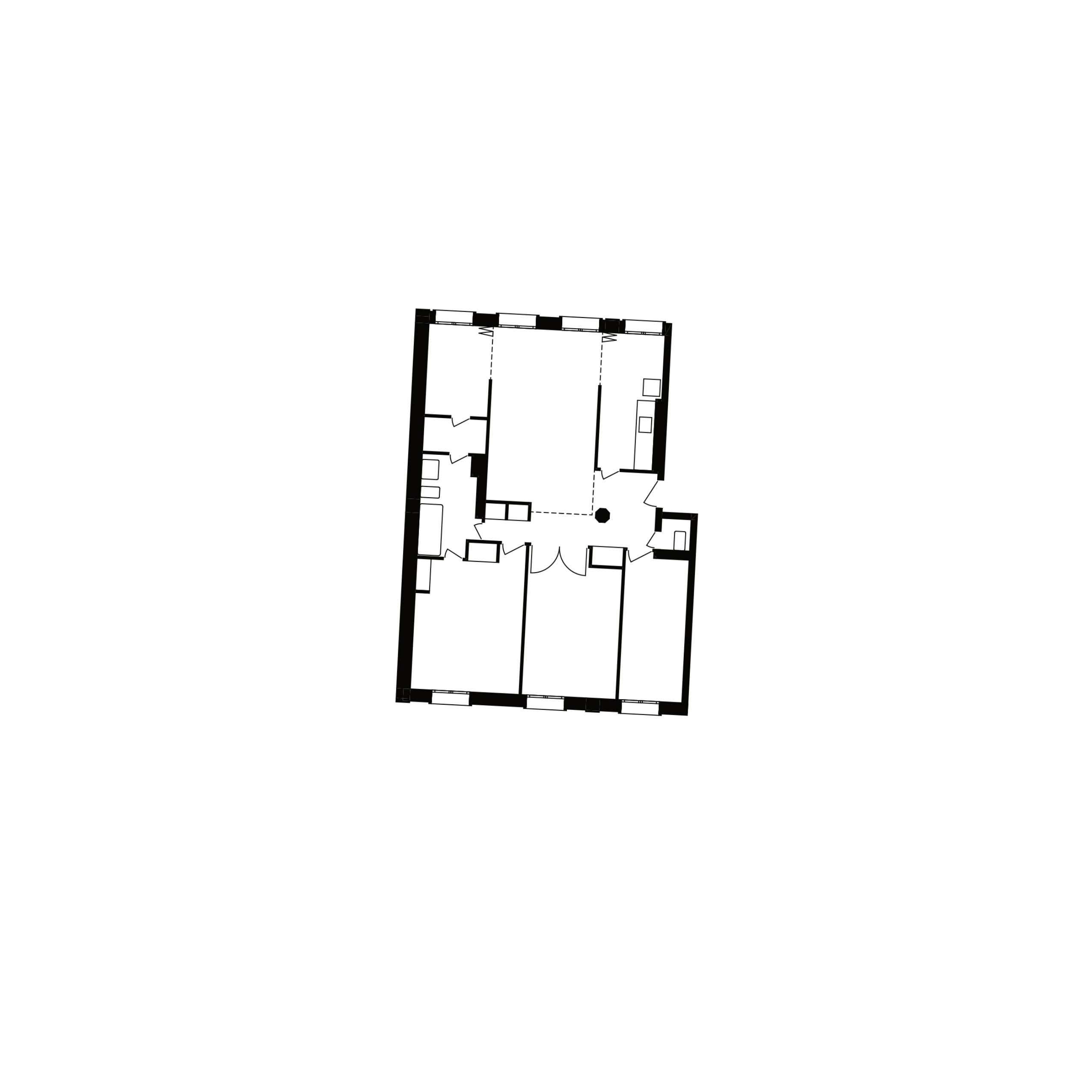
I have spend a few days in a Berlin apartment designed by Alvar Aalto. Temporary accommodation courtesy of a hospitable friend. It’s an uncluttered apartment in a large block that contains units of various sizes, probably originally intended for smaller families. Aalto, an architecture hero from the 1950s, designed the perfect place for a resident who today travels a lot and uses the apartment as a home base and film studio, a lifestyle that Aalto no doubt didn’t envisage at the time. It’s also a perfect place for the various neighbours: young families, singles, couples, seniors, young people.
What exactly makes it so pleasant here? The care given to ordinary things: the entrance to the building feels naturally inviting, for visitors with or without luggage or bikes. At the apartment you enter a spacious hall, with passageways leading to both the kitchen and the versatile living space, described at the time as an “Allraum”. A spacious loggia – perfectly positioned between dining area, sleeping area and living area (now workspace) – feels like the centre of the house and draws light deep inside. That creates a careful yet unforced differentiation between activities such as cooking, dining, relaxing and working. Diagonal views and sight lines and transparent partitions make the space feel larger than it actually is and ensure connections between all interior spaces and the surrounding landscape. The windows around the loggia capture the changing sunlight, creating variety and life. The effect is enhanced by the distinctive open corners that articulate the whole building inside and outside. Simple planks fixed on top of the radiators form heated benches.
It is his generosity, his focus on how space is used and the attention he gives to daily movement patterns and needs that have sustained the life in these apartments for so long, far longer than in comparable apartments created with less skill and attention. Genuinely good architects have the power to spin ordinary things into gold; to elevate everyday places into valuable living environments; to truly achieve sustainability.
Mechthild Stuhlmacher
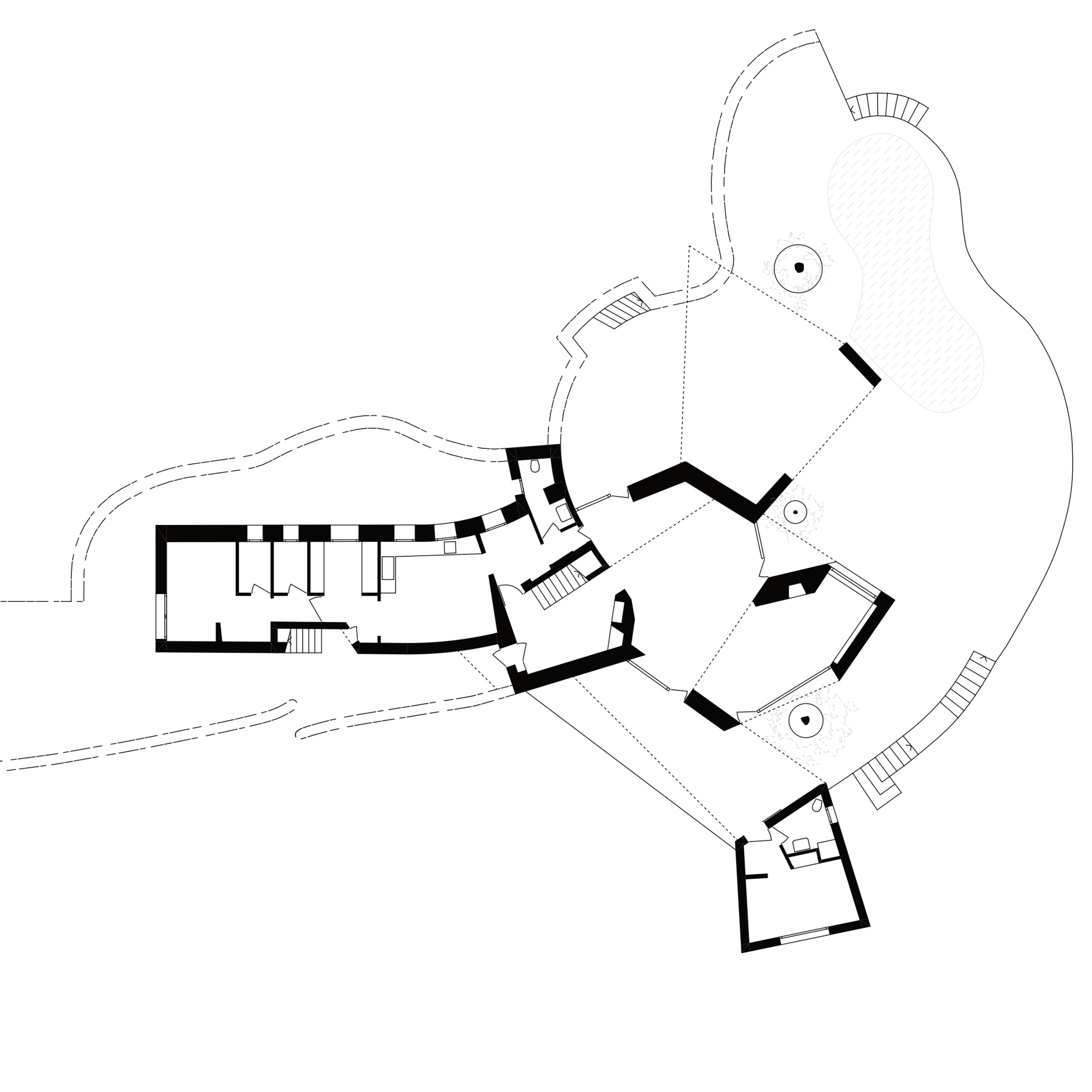
Casa Ugalde
José Coderch
ESP Barcelona 1951
257 m2
I have often returned to study José Antonio Coderch’s floor plans; Casa Ugalde remains especially compelling. Twenty years ago, Spanish friends gave me a book on his work. That book has become a constant companion.
The plan is perhaps as difficult to fathom as nature itself. The house is carefully fitted into the landscape, almost as if designed and built on the spot. It seems fused with the terrain, like a fossil embedded in the earth. Its subtle integration anticipates the attention to context that Siza would later bring to his Tea House.
On arrival, a low wall takes you by the hand and leads you along a rock, under the building, to a view of the sea. The house unfolds like a continuous shell, where interior and exterior merge seamlessly. Rooms connect like a cave system: at times you descend into the earth, at other moments you are flooded with light and open vistas.
Curved and angled walls frame outdoor spaces while sheltering an intimate interior. They guide routes from enclosed spaces to open ones. Like in a cave, the function of each room is undefined: a bed makes a bedroom, a table a dining room.
Everything is executed in white walls and red floor tiles.
Pieter Bedaux